


Understanding Maine Coon Behaviour and Social Needs at Home
These friendly cats often follow owners around and enjoy company, play and gentle conversation throughout each day at home.

A Cat That Truly Likes Company
Maine Coons are often described as the dogs of the cat world, and while that comparison is a little worn, there is a kernel of truth in it. This is a breed that generally seeks out its people rather than hiding from them. Many owners find their Maine Coon padding along behind them from room to room, settling nearby while they work, and offering a chirrup or trill by way of conversation. Understanding this sociable nature is the key to keeping a Maine Coon content, because a bored or lonely Maine Coon is a recipe for mischief.
Unlike some cats that prefer to observe from a distance, Maine Coons tend to want to be involved. They are curious, confident and surprisingly tolerant, which makes them well suited to busy family homes provided their needs are met consistently.
Following You Around Is Normal
If your Maine Coon trails you to the kitchen, the bathroom and the front door, take it as a compliment rather than a nuisance. This is a breed that forms strong attachments and often prefers to be in the same room as its favourite person, even if it is not being stroked. The behaviour is social, not clingy in the anxious sense, though it can tip into stress if a cat is left alone for long stretches day after day.
The practical answer is to build your routine around the cat where you can. Let your Maine Coon accompany you during chores, and give it a perch near where you spend most of your time. A tall cat tree beside a desk or a window seat in the living room gives your cat a sense of being included without being underfoot. If you work from home, a quick word and a chin scratch every hour or so goes a long way towards keeping the peace.
Play, Talk and Daily Interaction
Maine Coons are intelligent and playful well into adulthood, and they generally appreciate a proper daily play session. Two shorter sessions, perhaps one in the morning and one in the evening, tend to suit them better than a single long burst. Wand toys with feathers or a sturdy chase toy work well, and most Maine Coons enjoy a game that lets them stalk, pounce and carry their prize away.
- Talk to your cat. Many Maine Coons respond to a gentle, chatty voice with soft trills and chirps of their own. Narrating your day is genuinely enriching for them.
- Rotate toys. Keep a handful of toys out and swap them weekly so the selection feels fresh.
- Teach a trick or two. Their willingness to work for food makes clicker training and simple puzzles surprisingly easy.
- Respect the off switch. Invite play, but let your cat walk away when it has had enough.
Food puzzles and treat balls are particularly useful for Maine Coons left alone during the working day. They turn a dull afternoon into a problem to solve and slow down greedy eaters at the same time.
Space, Height and Gentle Handling
Despite their size, Maine Coons are not clumsy cats. They are steady, deliberate and generally good with children who have been taught to handle them politely. Because they are large, they appreciate furniture that actually fits them: wide scratching posts, sturdy shelves and beds with room to stretch out. Flimsy equipment wobbles under their weight and can make them reluctant to use it.
Height matters. Provide at least one high vantage point, ideally near a window with a view of the garden or street. Watching the world go by is a quiet form of entertainment that satisfies their curious nature. If you have more than one cat, make sure there are several resting spots and separate feeding stations so nobody feels cornered.
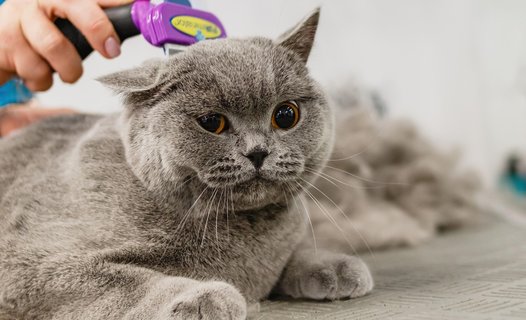
Handle your Maine Coon regularly but respectfully. Lift with one arm supporting the chest and the other under the hindquarters, and keep early grooming sessions short and calm. Building that trust when the cat is young makes nail clipping and vet visits far easier later on.
Signs Your Cat Wants More, or Less, Attention
Reading your cat is the most useful skill you can develop. Maine Coons are usually fairly clear communicators once you know what to look for.
- Seeking more attention: following you closely, head bumping, slow blinking, kneading, bringing toys over, or trilling at you from across the room.
- Winding down: a tail that flicks sharply, ears turning sideways, or a sudden interest in grooming themselves mid-stroke.
- Feeling stressed: over-grooming, hiding more than usual, appetite changes, or spraying. These often point to boredom, disruption or too little space.
If a sociable Maine Coon suddenly becomes withdrawn, it is worth a trip to the vet before assuming it is simply a change in personality. Discomfort and illness frequently show up first as a shift in behaviour.
Building a Home That Suits the Breed
Getting the environment right solves most behavioural complaints before they start. Aim for a home with vertical space, quiet corners, and a reliable daily rhythm. Feed at roughly the same times, keep the litter tray in a low-traffic spot away from food, and set aside a few minutes each day purely for one-to-one attention.
If you are out for long hours, consider whether two cats would suit your household better than one. Maine Coons often enjoy a feline companion, particularly a littermate or another calm, sociable cat. Where that is not possible, a cat sitter who visits midday, a securely enclosed garden, or a window perch with a bird feeder can bridge the gap nicely.
Above all, treat your Maine Coon as the companion it wants to be. A little conversation, a proper play session, a comfortable high shelf and a steady routine will keep this gentle giant relaxed, entertained and firmly part of the family.
Post a comment