


Understanding the Maine Coon Growth Timeline and Adult Size
Follow the stages from tiny kitten to fully grown cat, including expected weight ranges and development milestones over time.

Why Maine Coons Take Their Time
The Maine Coon is one of the largest domestic cat breeds, but size is not the only thing that sets them apart. They are slow developers. While many cats reach their adult size by around twelve months, a Maine Coon may keep growing for three to five years. This long runway is normal for the breed, and understanding it helps you set realistic expectations for weight, feeding and veterinary care.
Growth speed varies with genetics, sex, diet and whether the cat is neutered. A kitten’s parents give a rough clue, but no two Maine Coons follow exactly the same curve. Use weight ranges as a guide, not a target. The aim is steady, healthy development, not the biggest possible cat.
The First Twelve Weeks: Building the Foundation
Maine Coon kittens are born tiny, usually between 100g and 150g. They gain quickly in the first weeks, often doubling their birth weight within the first ten days. By four weeks, many weigh 400g to 500g. By eight weeks, expect roughly 1kg to 1.5kg, and by twelve weeks, 1.5kg to 2.5kg.
Development milestones arrive fast:
- Days 7 to 10: eyes open and ears begin to unfurl.
- Around 3 weeks: kittens start to walk steadily and explore.
- 4 to 5 weeks: weaning begins; they sample wet food and learn to eat.
- 2 to 9 weeks: the key socialisation window. Gentle handling, household sounds and play build confidence.
- 8 to 12 weeks: first vaccinations, microchipping and health checks usually happen.
Ideally, a Maine Coon kitten stays with the mother and littermates until at least twelve to thirteen weeks. That extra time teaches bite inhibition, grooming and social skills that support good behaviour later.
Three to Twelve Months: Rapid Growth and Awkward Stages
From three months onwards, growth is dramatic but uneven. A kitten may look lanky one week and suddenly fill out the next. Big paws, long legs and oversized ears are common. This is the “teenage” phase, and it can look surprisingly clumsy for a breed that will later move with quiet confidence.
Typical weights during this period:
- 3 to 6 months: males often reach 3.5kg to 5.5kg; females 3kg to 4.5kg.
- 6 to 9 months: males 4.5kg to 6.5kg; females 3.5kg to 5kg.
- 9 to 12 months: males 5kg to 7.5kg; females 4kg to 5.5kg.
Sexual maturity can arrive between six and twelve months, but that does not mean physical maturity. Neutering is usually discussed with your vet around five to six months, though timing depends on the individual cat. Feed a quality kitten or all-life-stages diet until at least twelve to fifteen months. Free-feeding can work for some, but portion control and regular weighing are safer, especially in less active cats.
One to Three Years: Filling Out and Maturing
After the first birthday, growth slows but does not stop. Bones are still lengthening, and the chest deepens. The characteristic Maine Coon ruff, shaggy tail and tufted ears become more pronounced. Males often continue to broaden and muscle up until three to five years. Females usually finish closer to two or three years.
You may notice weight plateaus while the body shape changes. That is normal. A cat can weigh the same at eighteen months and three years but look very different, with a wider chest and thicker coat. Judge body condition as well as the scales. You should be able to feel the ribs easily without seeing them, and there should be a visible waist from above.
Expected Adult Weight and Size Ranges
Adult Maine Coons vary widely. A healthy female commonly weighs 4kg to 6kg. A healthy male usually weighs 6kg to 9kg, with some reaching 10kg to 12kg. These larger weights should come from bone and muscle, not fat.
- Height at shoulder: often 25cm to 40cm.
- Length from nose to tail tip: commonly 90cm to 120cm.
- Tail length: often 30cm to 40cm.
Some Maine Coons are simply smaller than average, and that is fine. A 5kg female in good condition is not failing to grow. Likewise, a 9kg male who is overweight needs portion adjustment, not admiration.
Practical Care at Every Stage
Support growth with consistent, species-appropriate nutrition. High-quality animal protein, controlled portions and fresh water matter more than any supplement promising extra size. Weigh your cat monthly and record the results. Sudden gains or losses deserve a vet visit.
- Kittens: feed little and often, and keep vaccinations and worming up to date.
- Adolescents: provide scratching posts, climbing frames and puzzle feeders to build muscle and confidence.
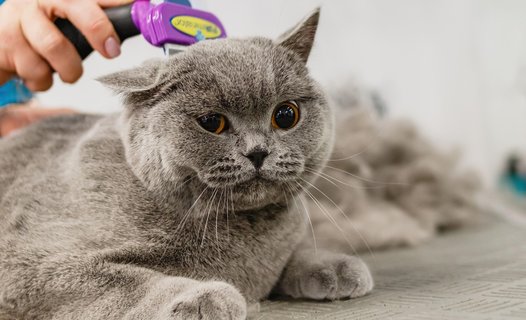
- Young adults: brush the coat several times a week, check ears and teeth, and keep play sessions active.
- All ages: ask your vet to assess joints and body condition during annual checks.
Maine Coons are affectionate, sociable cats that reward patience. Let them grow at their own pace, keep them lean and active, and you will have a healthy companion for many years.
Post a comment