


Understanding Hip Dysplasia in Maine Coon Cats
Recognise early signs, treatment options and lifestyle adjustments that can keep affected cats comfortable long term at home.

Why Hip Dysplasia Matters in a Big, Heavy Cat
Hip dysplasia is a developmental failure of the hip joint. Instead of the ball of the femur sitting snugly in the socket of the pelvis, the two surfaces are misaligned. The joint becomes loose, the cartilage wears unevenly, and over months or years the body lays down extra bone in an attempt to stabilise something it cannot fix. The result is pain, stiffness and a slow loss of the easy movement that makes a Maine Coon such a pleasure to live with.
Maine Coons are one of the breeds where this condition is genuinely common, partly because the breed's rapid growth and substantial frame put more load through developing joints. Because these cats are large, even a modest amount of discomfort has a bigger mechanical effect than it would in a slender moggy. A six-kilogram Maine Coon carrying an extra kilogram is asking a great deal of already imperfect hips.
The encouraging news is that most affected cats can be kept comfortable for years with careful management. The earlier you notice the small changes, the more you can do.
Early Signs: What to Watch For at Home
Cats are masters at hiding discomfort, and Maine Coons are no exception. They rarely cry or limp obviously at first. Instead, you tend to see subtle adjustments in how they move and behave.
- Reluctance to jump — a cat who once cleared the kitchen worktop now pauses, uses a chair as a stepping stone, or simply stops trying.
- Stiffness after rest — a slow, hunched walk for the first few minutes after a nap, easing as they warm up.
- A "bunny hop" gait — both back legs moving together rather than in a normal alternating stride.
- Reduced grooming of the hindquarters — matting or a greasy coat over the back end, because twisting round to wash is painful.
- Muscle loss over the hips and thighs, making the back end look narrow compared with the shoulders.
- Changes in toileting — hesitating at the tray, or urinating over the side because squatting hurts.
- Grumpiness when handled around the hips, or a sudden dislike of being picked up.
Any of these, especially in a cat under two years old, is worth a conversation with your vet rather than a wait-and-see approach.
How Your Vet Confirms a Diagnosis
A diagnosis starts with a hands-on examination: your vet will feel for reduced hip extension, crepitus (a grating sensation) and muscle wastage, and will watch the cat walk and trot. Because cats tense up in the consulting room, video footage of your cat moving at home can be genuinely useful.
Definitive diagnosis comes from X-rays, usually taken under sedation or a light anaesthetic so the hips can be positioned accurately. Your vet may also suggest the standard scoring scheme used in the UK, where each hip is graded and the two scores are added together; a lower total is better. In some cats, advanced imaging is used to look for damage to the cartilage itself. Blood tests are often run alongside, both to rule out other causes of hindlimb pain and to check that the liver and kidneys are healthy before starting long-term medication.
Treatment Options, From Gentle to Surgical
Treatment is tailored to the individual cat's age, weight, severity and temperament, and it is rarely a single decision made once.
- Pain relief — non-steroidal anti-inflammatory drugs licensed for cats are the mainstay. They are effective, but need periodic blood monitoring, particularly in older cats.
- Joint support — glucosamine, chondroitin, green-lipped mussel and omega-3 fatty acids are widely used. Evidence in cats is modest, but many owners report real benefit and side effects are rare.
- Injectable therapies — some vets use disease-modifying injections given as a short course, then repeated as needed.
- Physiotherapy and hydrotherapy — a treadmill or pool session builds the muscles that support the joint without the impact of jumping. Most cats take to it surprisingly well with patient handling.
- Surgery — for young cats with severe changes, procedures to remove the painful femoral head, or full hip replacement in specialist centres, can transform quality of life. Your vet will refer you if this looks like the right path.
Adjusting Your Home and Daily Routine
Practical changes often make as much difference as medication, and they are entirely within your control.
- Manage weight ruthlessly. This is the single most effective intervention. Ask your vet to body-condition score your cat and calculate a target weight, then measure food rather than guessing.
- Add ramps and steps to favourite sofas, beds and windowsills, so your cat can still reach the high spots that make a Maine Coon feel safe.
- Use low-sided litter trays with a soft, fine substrate, and place them on each floor of the house.
- Lay non-slip mats on laminate and tile, especially near food bowls and trays, so the hind legs do not splay.
- Raise food and water bowls to around chest height to reduce strain on the hips while eating.
- Provide warmth — a heated pad or a sunny draught-free spot eases stiff joints considerably.
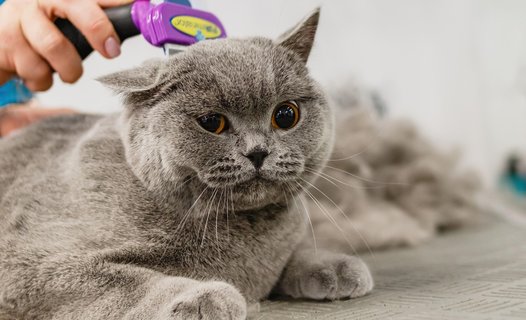
- Help with grooming, particularly around the trousers and rear, and keep claws short so they do not catch.
Keeping an Affected Cat Comfortable Long Term
Aim for regular, gentle exercise rather than occasional energetic play. Two or three short interactive sessions with a wand toy a day keep the muscles working without overdoing it. Keep a simple diary of good days and bad, along with any changes in appetite or mobility, and take it to your reviews — patterns are far easier to spot on paper.
Book a check-up at least twice a year, more often as your cat ages, and never adjust medication without veterinary advice. Maine Coons with well-managed hips frequently live full, contented lives into their teens, still following you from room to room and still claiming the best seat in the house.
Post a comment