


Caring for a Senior Maine Coon in Later Years
Adjust diet, bedding and vet checks to support mobility, comfort and wellbeing as your cat ages gracefully at home.

Understanding the senior Maine Coon
Maine Coons are built for grandeur, but their large frames mean that the physical toll of ageing can be more pronounced than in smaller breeds. Most Maine Coons are considered senior from around eight years old, and many live well into their early teens with thoughtful care. The challenge is that cats are masters at hiding discomfort. A senior Maine Coon may still greet you at the door, yet quietly struggle with stiff hips, failing eyesight or early kidney changes. Your job is to notice the small shifts — a reluctance to jump, a looser coat, a slower walk — and adapt the home before problems become painful. The goal is not to turn back the clock, but to keep your gentle giant comfortable, mobile and content in the years you share.
Tuning the diet for changing needs
As your Maine Coon ages, their nutritional requirements shift. Metabolism slows, muscle mass can dwindle, and kidneys and joints need extra support. A senior diet should be rich in high-quality animal protein to preserve muscle, but with controlled phosphorus and sodium if kidney values are borderline. Wet food is often a wise choice: it boosts water intake, which helps keep kidneys and urinary tract healthy, and it is easier to eat if teeth are sore. If your cat has arthritis, look for added omega-3 fatty acids and glucosamine — or ask your vet about separate supplements.
Weigh your cat monthly on the same scales. Obesity puts extra strain on joints, but sudden weight loss is a red flag for hyperthyroidism, diabetes or cancer. Feed little and often rather than one large meal, and warm food slightly to enhance aroma if appetite is flagging. Always transition to a new diet gradually over seven to ten days to avoid digestive upset. Fresh water should be available in several places, and a pet fountain can encourage drinking.
- Choose a senior formula with high-quality protein and moderate phosphorus.
- Add wet food or bone broth for hydration.
- Consider joint supplements containing omega-3, glucosamine and chondroitin.
- Keep treats to a minimum and adjust portions to maintain a lean body condition.
Making home comfortable and accessible
Small changes around the house can make a huge difference to a senior Maine Coon’s quality of life. Start with bedding: orthopaedic memory foam beds with low sides are easier to step into and support aching joints. Place beds in warm, draught-free spots — older cats feel the cold more acutely — and provide one on each floor they use. If your cat loves a particular windowsill or sofa, add a gentle ramp or a set of pet steps. Non-slip mats on hard floors will give them confidence to walk without skidding.
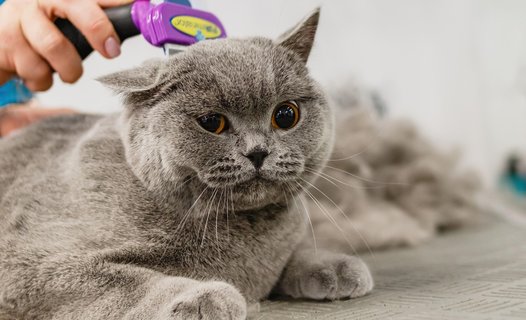
Litter trays deserve a rethink. A large, low-sided tray is easier to enter than a high-sided hooded box. Keep trays on every level of the home, scooped daily and placed away from loud appliances. Food and water bowls should be raised slightly if your cat has neck stiffness, and placed close to their favourite resting spot. Grooming becomes more important, too: Maine Coons have dense, semi-long fur that mats easily when they groom less effectively. A daily gentle brush, especially around the trousers, armpits and belly, prevents painful tangles. If mats form, ask a vet nurse or professional groomer for help rather than cutting the skin.
Vet checks and preventive care
For senior Maine Coons, twice-yearly veterinary check-ups are the gold standard. A lot can change in six months. Your vet will weigh your cat, check teeth and gums, listen to the heart and lungs, and feel the abdomen and joints. Blood tests can screen for kidney disease, hyperthyroidism, diabetes and liver problems. Blood pressure measurement is quick and can reveal hypertension early. Maine Coons are prone to hypertrophic cardiomyopathy (HCM), so regular heart checks are wise. Arthritis is common but under-treated; do not assume slowing down is simply old age. Safe pain relief, joint injections or physiotherapy can restore comfort.
Keep a simple diary of any changes: drinking more, accidents outside the tray, vomiting, hiding, or grooming less. This information helps your vet build a clear picture. Dental disease is painful and can affect eating, so discuss professional cleaning if needed. Parasite prevention, vaccinations and nail trims should continue, though your vet may adjust the schedule. Never give human painkillers to a cat — many are toxic.
Daily routines and gentle stimulation
A senior Maine Coon still needs mental and physical activity, but the pace changes. Short, gentle play sessions with a wand toy or a soft ball keep muscles active without overexertion. Food puzzles designed for seniors can provide enrichment while slowing eating. Keep routines predictable: cats feel safer when meals, grooming and bedtime follow a familiar pattern. Warm, cosy hideaways and a quiet corner away from children or other pets give them a retreat.
Handle your cat gently, supporting the hindquarters if you lift them. Check paws and claws monthly — senior cats may not wear nails down evenly, and overgrown claws can catch. Monitor for subtle signs of pain: a tail that twitches when touched, a reluctance to be stroked, or a change in sleeping position. With patience, warmth and a few practical adjustments, your senior Maine Coon can enjoy their later years with dignity and comfort. They have given you years of companionship; now it is your turn to make their world gentle and kind.
Post a comment